
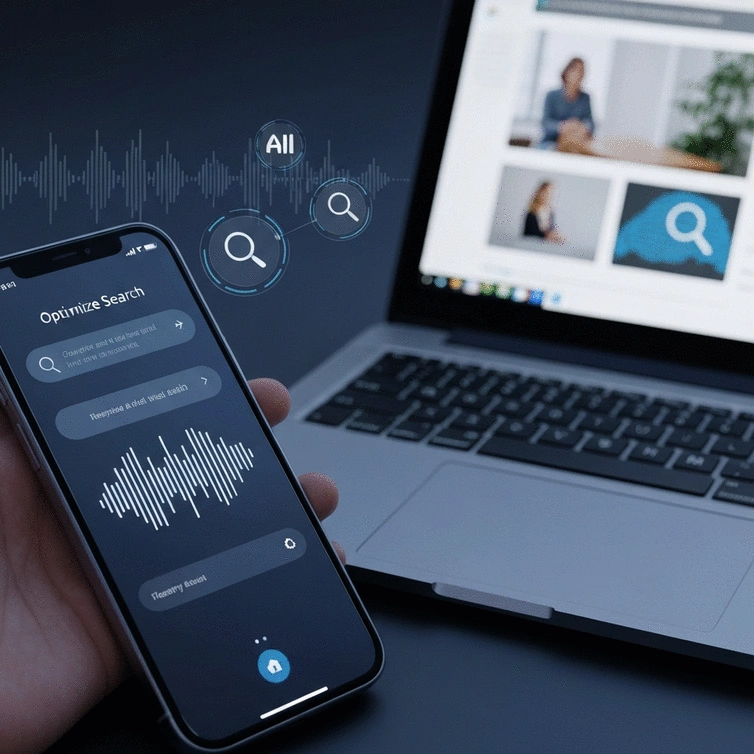
As the landscape of digital search evolves, embracing AI technologies has never been more crucial. With the rise of voice and visual search, understanding how to optimize your content for these platforms can greatly enhance your visibility and user engagement. Let's uncover the key insights you need to stay ahead in this rapidly changing environment.
What You Will Learn
- AI-driven voice and visual search transforms how users engage with search engines, making it essential for SEO strategies.
- Understanding user intent behind voice and visual searches is critical for effective content optimization.
- Conversational AI enhances user experience by providing quick, relevant responses tailored to individual queries.
- Tracking key performance metrics such as voice search volume and user engagement is vital for refining SEO strategies.
- Calculating ROI from image and voice search optimization can help justify marketing expenditures and focus budget allocations.
The Pillars of AI-Driven Search Optimization
Explore the core components and their impact on enhancing search visibility in the age of AI.
AI-Driven Search: Core Concepts
Voice Search: Natural language processing for spoken queries. Visual Search: Image recognition for searching with pictures. Conversion: Traditional text input is evolving.
Why It Matters for SEO
- ✓ Increased User Engagement
- ✓ Enhanced User Experience
- ✓ Changing Search Behaviors
Impact of Conversational AI
- ✓ Natural Language Processing
- ✓ Improved Search Accuracy
- ✓ Personalized Responses
Key Performance Metrics for Voice Traffic
Voice Search Volume, User Engagement, Conversion Rates, Click-Through Rate (CTR)
Understanding the Role of AI in Voice and Visual Search Optimization
In today’s fast-paced digital world, understanding the role of AI in voice and visual search optimization is essential for anyone looking to enhance their search visibility. As we transition into a new era of search technology, AI has emerged as a powerful tool that shapes how users find and interact with information. For example, a recent study explores the role of AI in shaping how users interact with online content and search engines. By embracing these technologies, we can stay ahead of the curve and ensure that our content reaches the right audience effectively.
The rise of voice and visual search has changed the game for SEO professionals. We now need to consider how artificial intelligence influences user queries and how to optimize our content accordingly. This shift not only affects the way we create content but also the strategies we employ to drive traffic to our sites.
What is AI-Driven Voice and Visual Search?
AI-driven voice and visual search refers to the implementation of artificial intelligence technologies that enhance search capabilities, allowing users to conduct searches using voice commands or images instead of traditional text input. With the proliferation of smart assistants like Siri, Alexa, and Google Assistant, voice search has become increasingly popular. Similarly, tools like Google Lens enable users to search using images, making it easier to identify products or gather information.
- Voice search is natural and conversational, often mimicking human dialogue.
- Visual search leverages image recognition technology to provide relevant results.
- Both forms of search rely heavily on AI to process data and return accurate outcomes.
As a result, businesses must adapt their SEO strategies to accommodate these evolving search methods. It’s not just about optimizing for traditional text queries anymore; understanding user intent behind voice and visual searches is crucial.
Why Voice and Visual Search Matters for SEO Professionals
The significance of voice and visual search for SEO professionals cannot be overstated. As more users adopt these technologies, optimizing for them becomes vital to maintain competitive visibility. Here are a few compelling reasons why:
- Increased user engagement: Voice and visual searches often yield higher engagement rates as they provide immediate, relevant results.
- Enhanced user experience: These methods cater to user convenience, allowing for a seamless search experience.
- Changing search behaviors: Users are increasingly turning to voice and visual searches, making it essential for businesses to pivot their SEO strategies.
By recognizing the importance of these technologies, we can develop strategies that effectively address user needs and preferences. This proactive approach can lead to improved search rankings and ultimately drive more traffic to our sites.
The Impact of Conversational AI on User Experience
Conversational AI is transforming how users interact with search engines. By allowing for a more human-like interaction, it enhances user experience and satisfaction. Users expect quick, relevant answers, and conversational AI can meet that demand effectively.
- Natural language processing (NLP) makes it easier for search engines to understand diverse queries.
- AI systems learn from user interactions, continually improving search accuracy over time.
- Conversational AI can provide personalized responses, tailoring results to individual users.
As Get Better Rankings continues to explore the impact of AI on search, it’s clear that adapting to these changes is essential. For instance, the use of conversational AI is increasingly important for enhancing user experience by providing relevant responses. By leveraging conversational AI, we can enhance user experiences and ensure our content stands out in a crowded digital landscape.
Pro Tip
Did you know? Optimizing for voice and visual search isn't just about keywords; it's also about understanding user intent. Consider how users phrase their questions and the context behind their searches. This can guide you in creating content that resonates with their needs and improves your chances of ranking higher in these search formats.
Measuring the Impact of AI Optimization on Search Performance
As we navigate the evolving landscape of digital marketing, measuring the impact of AI optimization on search performance becomes crucial. Understanding how AI-driven strategies influence your site's rankings and user engagement can guide future decisions for your digital marketing efforts. Knowing what metrics to track is key to gaining insights into what's working and where there’s room for improvement!
In my experience at Get Better Rankings, I've found that focusing on specific performance metrics can provide a clearer picture of your SEO effectiveness. By leveraging tools designed for tracking AI-related searches, we can better understand user behavior and refine our strategies accordingly.
Tracking Voice Traffic: Key Performance Metrics to Consider
When it comes to voice search, certain metrics stand out as particularly important for tracking performance. By monitoring these key indicators, you can identify trends and areas for growth:
- Voice Search Volume: Monitor the number of voice search queries directed at your site.
- User Engagement: Look at how users interact with your site after a voice search, such as time spent on page and bounce rate.
- Conversion Rates: Track the percentage of voice search visitors who complete desired actions, like making a purchase or signing up for a newsletter.
- Click-Through Rate (CTR): Analyze how many users click on your links after a voice search compared to traditional search queries.
By consistently measuring these metrics, we can gain valuable insights into the effectiveness of our voice search strategies and make data-driven adjustments as needed. This approach aligns with the importance of understanding user behavior and experience in the age of AI.
Understanding ROI from Image and Voice Search Optimization
Calculating the return on investment (ROI) for image and voice search optimization can be a game changer. By analyzing how these efforts impact your bottom line, you can justify your digital marketing expenditures. Here are some methods to evaluate ROI:
- Attribution Analysis: Assign value to conversions generated from voice and image searches to understand their contribution to overall revenue.
- Cost Savings: Monitor how optimizing for voice and image search reduces customer acquisition costs.
- User Retention: Assess how these optimizations improve user retention rates, translating to repeat business.
These insights can help shape your marketing budget and strategy, allowing for more focused investments in AI-driven optimizations.
Analyzing Engagement Metrics for Improved Results
Engagement metrics are essential to understanding how effectively your audience interacts with your content. By diving into these metrics, you can refine your approach to better meet user needs:
- Page Views: Track how many pages users visit after engaging with your voice or visual content.
- Social Shares: Monitor how often your content is shared on social media platforms, which can indicate its relevance and appeal.
- User Feedback: Utilize surveys or feedback tools to gather direct input from users about their experience with your content.
Engaging with your audience and analyzing these metrics not only enhances your strategies but also builds a loyal community around your brand.
Frequently Asked Questions (FAQs)
- Q1: What is AI-driven voice and visual search?
- A1: AI-driven voice and visual search utilizes artificial intelligence to enable users to search using spoken commands (voice search) or images (visual search), moving beyond traditional text input.
- Q2: Why is optimizing for voice and visual search important for SEO?
- A2: Optimizing for voice and visual search is crucial because it increases user engagement, enhances user experience, and adapts to changing search behaviors, which are increasingly shifting towards these AI-powered methods.
- Q3: How does conversational AI impact user experience?
- A3: Conversational AI improves user experience by enabling more natural, human-like interactions with search engines, offering quicker and more relevant personalized responses through natural language processing.
- Q4: What key performance metrics should be tracked for voice search?
- A4: Key metrics include voice search volume, user engagement (time on page, bounce rate), conversion rates, and click-through rates (CTR) to gauge the effectiveness of voice search strategies.
- Q5: How can businesses calculate the ROI for image and voice search optimization?
- A5: Businesses can calculate ROI by conducting attribution analysis to link conversions to voice/image searches, monitoring cost savings from reduced customer acquisition, and assessing improvements in user retention rates.
Next Steps for SEO Professionals
Now that we have explored key metrics for measuring the impact of AI optimization, it’s time to transition into actionable next steps for SEO professionals looking to incorporate these insights into their strategies. Let’s dive into tools and resources that can enhance your AI search strategy!
Recap of Key Points
Here is a quick recap of the important points discussed in the article:
- AI-driven voice and visual search optimizes user queries through natural language and image recognition.
- Emphasizing user intent in voice and visual searches is crucial for adapting SEO strategies.
- Key metrics to track include voice search volume, user engagement, and conversion rates to measure the effectiveness of AI optimization.
- Conversational AI enhances user experience by providing personalized and accurate search results.
- Calculating ROI for voice and image search optimization justifies marketing expenditures and informs budget allocation.